
Myopia Management
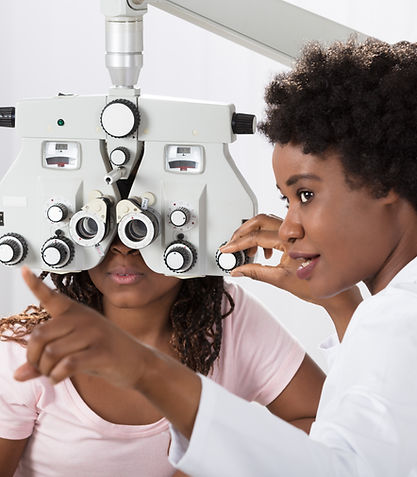
What is Myopia?
Myopia, or nearsightedness, is when distance objects appear blurry and close objects are seen more clearly. Myopia is becoming a growing concern throughout the globe. It is predicted that by the year 2050 nearly 50% of the world's population will be myopic.
Myopia typically onsets in childhood and most often does not stabilize until early adulthood. Genetics play a role in its development, but environmental factors, like prolonged near work (e.g., reading, screen time), also contribute.
Myopia management
Myopia management involves strategies to slow the progression of myopia. Excessive progression increases the risk of more severe eye conditions later in life.
Your optometrist may recommend specialized spectacle lenses, contact lenses, prescription eye drops and lifestyle modifications to help achieve this goal.
Why is Myopia Management Important?
Managing myopia is crucial to reduce the risk of more serious complications as an individual ages. Intervention during the growing years can have a positive long-term impact on eye health. The goal of myopia management isn't to cure myopia, but rather slowing its progression and improving the quality of life.